The Promise of a Film’s Opening Scene
Learn how a film opening scene raises a story question, signals character and tone, and helps you follow how the film fulfils or reshapes its promise.
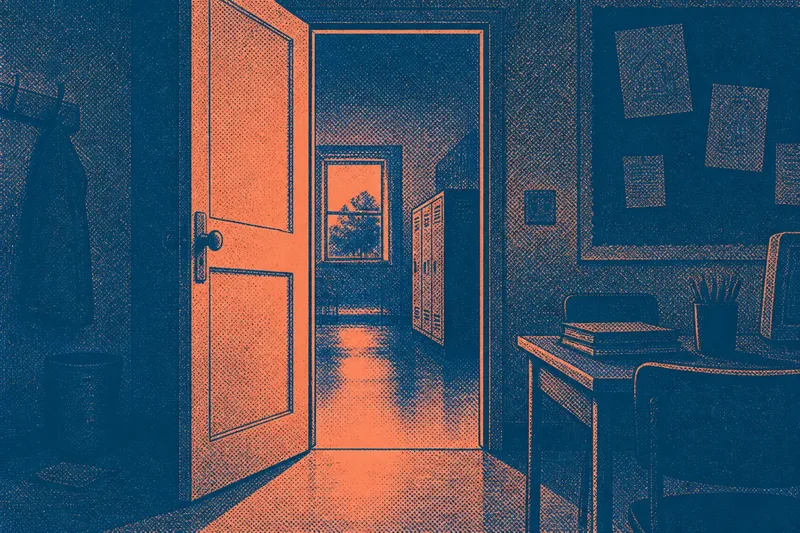
A locked door sits ajar in the first scene, and nobody explains why. A film opening scene like this gives you a question to carry into the story: who opened it, and what might happen next? Reading that early invitation helps you notice what the film asks you to expect without requiring you to predict every turn.
What question does the opening ask?
Begin with the uncertainty closest to the scene. It may concern an action (“Will she leave?”), a relationship (“Why are they avoiding each other?”) or a conflict (“Who gets to keep the house?”). The question need not be spoken aloud; it can emerge from a choice, a missing explanation or a detail the film draws into focus.
Separate a small mystery from the larger concern it might serve. A character’s missing glove is only a loose end unless the film connects it to something that matters, such as trust or belonging. Ask what the opening makes you care about, not just what information it withholds.
How can you read a film opening scene?
Match your observation to the question you brought to the film. Use the clues as invitations, not rules about what every later scene must contain.
- Character: If someone gives up a convenient seat for a stranger, that action suggests generosity; if they keep it while watching the stranger struggle, it may point to a competing pressure. If the choice has no later bearing on character or conflict, treat it as a local detail and look for a more consequential decision.
- Emotional tone: If a long pause, clipped dialogue or comic interruption shapes the scene, note whether the moment feels tense, tender or awkward. If other cues pull in a different direction, hold both possibilities rather than deciding the whole film’s mood from one moment.
- Story focus: If a crowded room gives several people competing aims, expect the scene to invite attention to social friction. If a solitary figure faces an unfamiliar place, discovery may be in focus; if later scenes shift away, revise that expectation.
- Confusion: If you can name one clear question, carry it forward and let later scenes add context. If you cannot tell who is present or what is happening, wait for an orienting scene instead of treating every missing detail as a deliberate puzzle.
How do character and tone shape the promise?
Character gives the opening question a human stake. A person staring at an unanswered message might type, delete the words, lock the screen or leave the phone face up. Each action invites a different reading, even before you know who sent the message.
Tone shapes how you sit with that uncertainty. A tense situation can be played with dry humour; a bright, orderly setting can carry a quiet sense of unease. Notice how music, camera distance, lighting and editing work together instead of treating any one element as a fixed code. A held shot can feel intimate or uncomfortable depending on the performance and context around it.
Imagine an invented opening in which a caretaker arrives at a school after dark. She hums cheerfully, then finds a classroom door ajar and continues down the corridor; the expected reading might be comic unease. If she stops humming and studies the empty hallway, the same setting may invite suspense instead. The change in her response, rather than the building alone, shifts what you expect.
What should you make of a misleading opening?
Some openings suggest one kind of story before shifting focus. That does not automatically make the first scene dishonest: the film may be complicating an expectation, revealing the limits of a character’s assumptions or widening its subject.
Compare the opening’s question with the concerns that keep returning. If an invented story begins with a lonely musician and later follows her attempts to connect with other people, a change of setting can still develop the opening’s invitation. If the first question disappears without affecting character, tone or conflict, it may have served mainly as an initial hook.
What do viewers ask about a film opening scene?
Does the opening scene reveal the film’s central question?
It may introduce a question through an unresolved choice, relationship or conflict, while leaving its full meaning for later. Treat your first reading as a useful possibility rather than a final answer.
Can a quiet opening still make a promise?
Yes. A pause, repeated gesture or careful arrangement of objects can raise a question without a chase or argument. Notice what seems charged for the characters instead of judging the scene by how much happens.
What if the opening’s tone changes later?
A shift can widen the film’s emotional range or reveal another side of its subject. Ask whether the new tone grows from the people and tensions already introduced; that connection matters more than an unchanging mood.
Should I keep guessing what will happen?
Guessing can be enjoyable, but it is not the only way to follow a film. Notice whether later scenes deepen, revise or set aside what the opening led you to expect.
Which details are not worth decoding?
Not every colour, prop or camera movement is a hidden clue. If an object receives no emphasis and has no bearing on a character’s choices or the scene’s question, assigning it a symbolic meaning may not help. Give your attention to details the film makes noticeable: repeated gestures, unusual pauses, changes in behaviour and the consequences of a choice.
The promise of a film opening scene is a first arrangement of expectations, not a fixed forecast. Carry one question forward and notice which later scenes answer it, reshape it or make you care about something else. You need not decode every image; following the choices that change the story is often enough to make its opening feel specific.